

Understanding Stretcher Bond in Building Surveying
The stretcher bond is predominantly employed in modern building techniques, particularly characterised by its use in wall construction where the bricks are laid horizontally with only their longer face visible, thus naming them "stretchers." This approach offers a visually appealing and efficient method for constructing thinner, non-load-bearing walls, common in both residential and commercial properties.
The Basics of Stretcher Bond
A stretcher bond, often referred to as a running bond, is one of the simplest and most commonly used brick laying patterns. It is particularly noted for its application in half-brick walls, such as partition walls or the outer leaf of cavity walls. Each brick is laid end to end, with the joins staggered at each alternating course. In modern post-war construction, stretcher bond is commonly used in cavity walls, and the inner leaf of the wall becomes the load-bearing component, providing support to the roof structure and walls.
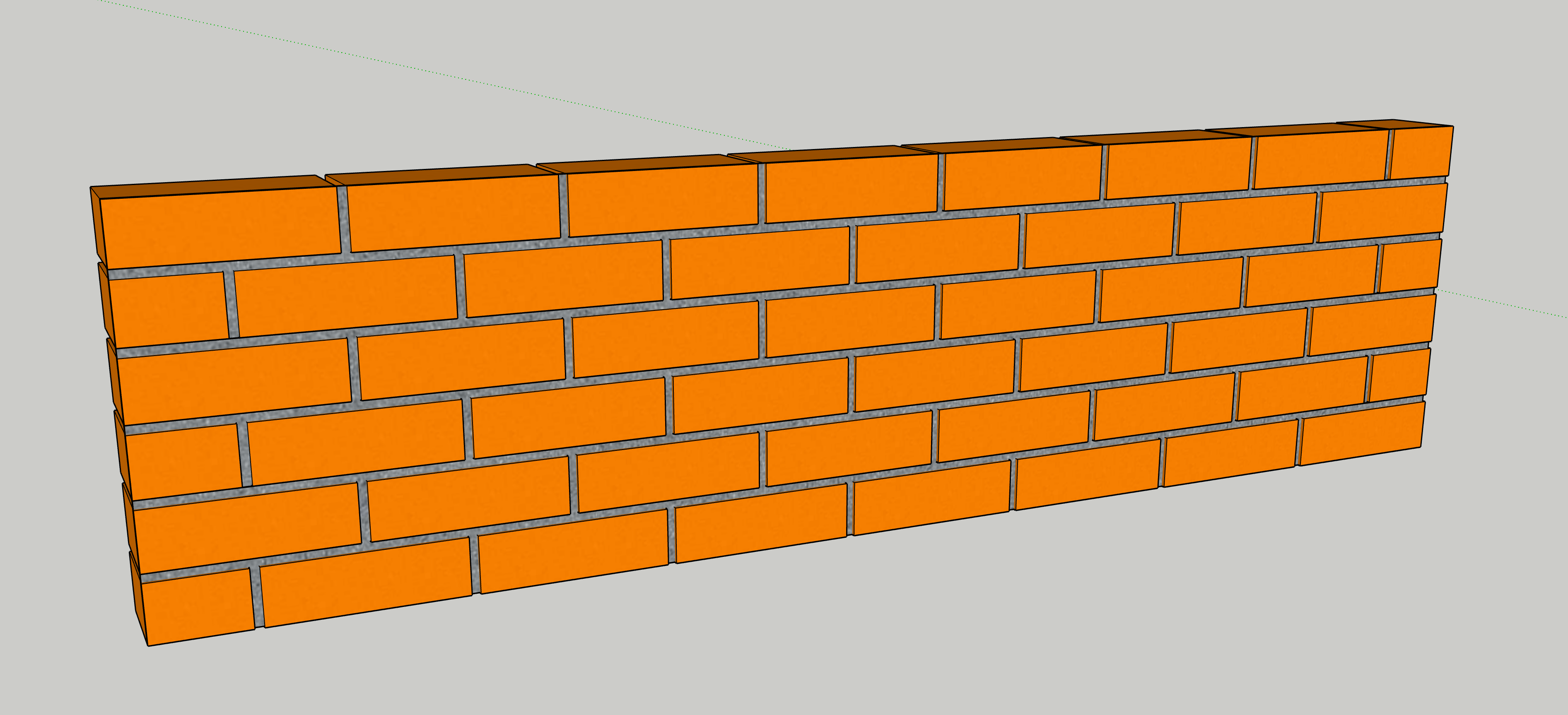
The diagram above shows the key point a surveyor is usually looking for when identifying stretcher bond brickwork: every visible unit is laid as a stretcher, and the perp joints are offset in successive courses. In practical terms, this often indicates a half-brick skin or the facing leaf of a cavity wall rather than a solid, traditional load-bearing wall built with alternating headers and stretchers.
Advantages of Stretcher Bond
- Material Efficiency: This bond uses fewer bricks than more traditional bonds, leading to material cost savings.
- Aesthetic Simplicity: Provides a clean, contemporary look that is desirable in modern architectural designs.
- Speed of Construction: The repetitive and straightforward pattern speeds up the bricklaying process, allowing for faster construction timelines.
- Reduced Weight: Ideal for use in light partition walls, reducing the load on structural elements of a building.
Stretcher Bond Applications in Construction
The versatility of the stretcher bond extends beyond its use in building new structures. It is equally valued in the realm of renovations and refurbishments. For example, when an additional partition needs to be created inside a space, or when the facade of a building is being updated, the stretcher bond offers both aesthetic appeal and practical advantages. It is crucial for clients to consult with a professional building surveyor to ensure that the implementation of any brickwork, particularly stretcher bond, meets current building regulations and standards.
Cavity Wall Inspections
A cavity wall is typically formed with two separate masonry leaves, usually an outer leaf and an inner leaf, with a gap or cavity between them. That cavity helps with moisture management and, in later construction, often also accommodates insulation. In many post-war houses the external brickwork may be in stretcher bond, which is one reason surveyors often consider cavity wall construction as a likely starting assumption.
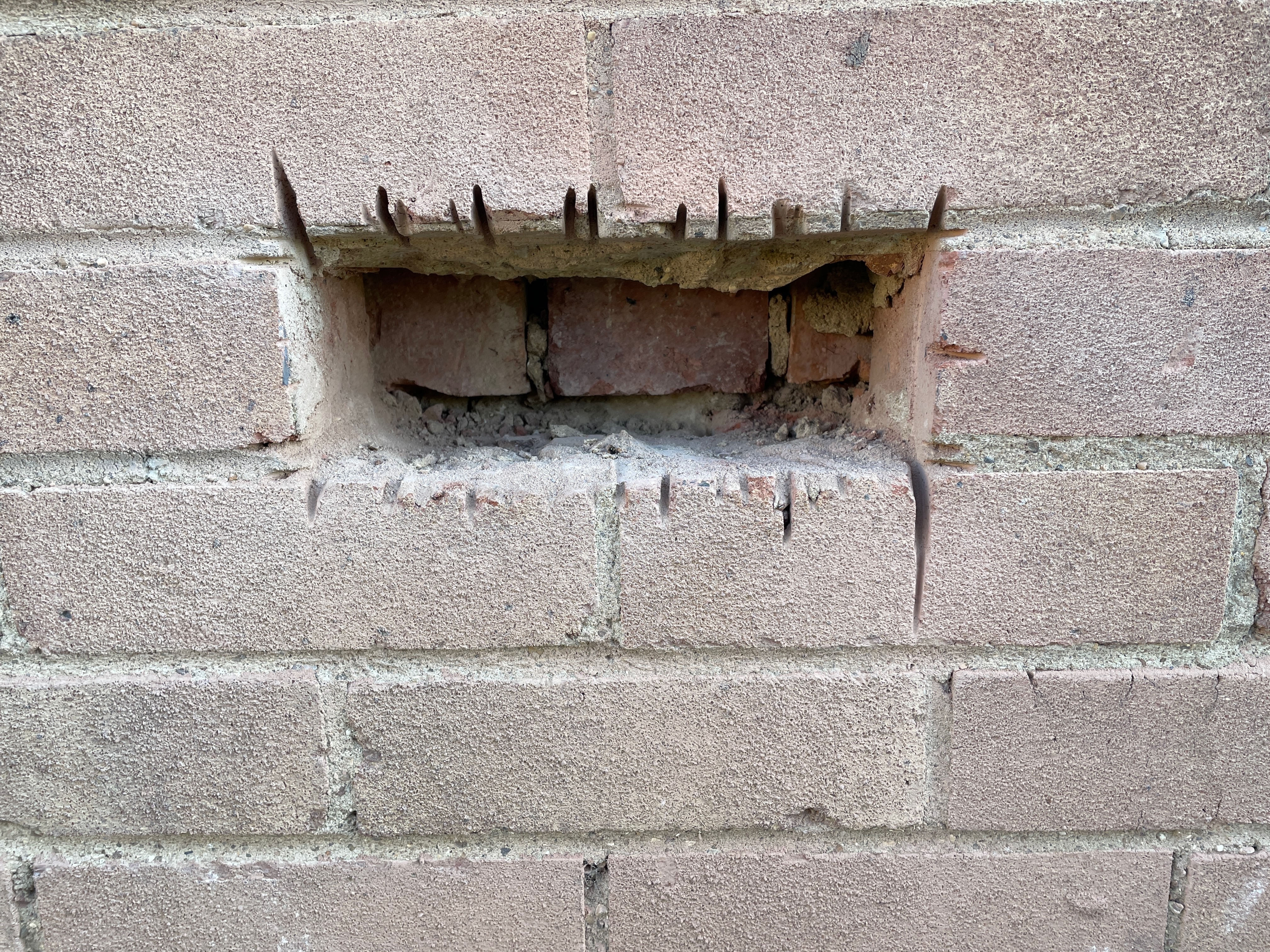
That said, inspection assumptions still need to be tested. On one inspection we asked a contractor to open up the wall so the cavity could be examined directly. Although the external face had the appearance of a stretcher bond cavity wall, the opening-up works showed that it was not in fact a cavity wall as first assumed. This is exactly why visual inspection alone is not always enough. Bond pattern, wall thickness, age, exposure, and the way the building is detailed may all point in one direction, but where the structural or damp implications matter, opening up can be the step that confirms what is really there.
Common Defects a Surveyor Looks For
Where stretcher bond forms the outer leaf of a cavity wall, the surveyor is usually less concerned with the bond pattern itself than with how that leaf is performing in service. Typical concerns include stepped cracking around openings, bulging brickwork, open or weathered mortar joints, localised frost damage, and signs of moisture penetration through defective pointing or poorly detailed junctions. In post-war cavity construction, failed or corroded wall ties can also become an important issue, particularly where horizontal cracking appears at regular intervals or the outer leaf begins to bow outward.
Do Not Assume Structural Function from Appearance Alone
It is important not to assume that a wall is non-load-bearing simply because the visible brickwork is in stretcher bond. In many later buildings the outer leaf is only the facing skin, while the inner leaf or structural frame is carrying the principal load. Before any opening is formed, masonry removed, or cracking assessed in structural terms, the wall build-up should be confirmed from inspection, age, thickness, exposure, and where necessary opening-up or supporting evidence.
How Stretcher Bond Compares with English and Flemish Bond
For a surveyor, bond pattern often gives an early clue about the age and likely form of construction. Stretcher bond is commonly associated with cavity wall construction and later brick skins, especially in post-war housing. English bond alternates courses of headers and stretchers and is more typically associated with older solid wall construction where greater mass and structural bonding were required. Flemish bond alternates headers and stretchers within the same course, creating a more decorative appearance often seen in traditional brickwork. The visible pattern does not tell the whole story, but it can be a useful starting point when reading the wall before closer inspection.
Related knowledge
Compare this article with the nearest matching pages if you want to follow the topic into related surveying questions.
Discover the key differences between Building Surveys and Structural Surveys with our expert guide tailored for properties in London and the South East. Understand which option is ideal for your needs to ensure a comprehensive assessment of your property’s…
Explore essential building regulations for chimney stack removal in London and the South East, focusing on structural integrity, fire safety, and the Party Wall Act. Ensure your property's compliance and safety with professional advice from certified experts…
Discover the key to successful project delivery with our Building Project Management services in London and the South East. Ensure timely, budget-adherent, and regulatory compliant construction projects with our expert team. Explore our comprehensive services…
Discover expert Building Surveyor Services across London and the South East. Our RICS-accredited team offers detailed building surveys, construction design, regulatory compliance, defect diagnosis, and reinstatement cost assessments. Contact us for tailored…
Key Services
Need a surveyor rather than another article?
If this article relates to a live property issue, one of these service pages is likely to be the most useful next step.
Lease-end claims
Dilapidations
Landlord and tenant advice on schedules, quantified demands, lease interpretation, and negotiated settlement.
Explore DilapidationsNeighbourly matters
Party wall matters
Notices, adjoining owner response, schedules of condition, awards, and practical support before works start.
Explore Party wall mattersLease protection
Schedules of condition
Condition recording for lease commencement, pre-works evidence, and later protection against dispute over pre-existing condition.
Explore Schedules of condition